The picks
Each pick follows a written rule, shown on the card. “Most popular” means the lowest popularity rank among the models we list, based on Amazon US. We don't rank by our own opinion of build quality because we haven't handled these units.
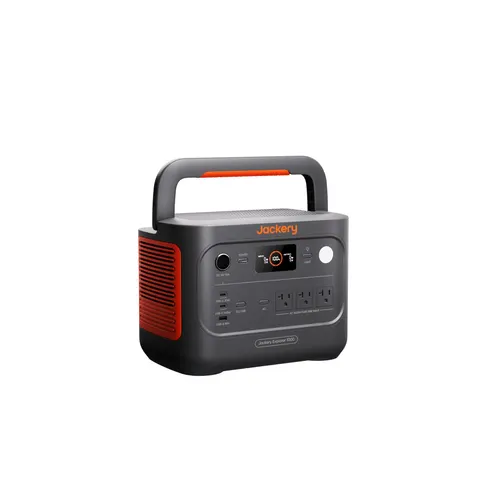
Best overall (mid-size)
Jackery Explorer 1000 V2 (1,024 Wh)
Rule: Most popular model between 500 and 1,499 Wh.
- Capacity
- 1,024 Wh
- Output
- 1,500 W
- Weight
- 23.4 lb
- Wh/lb
- 44
Most popular of 61 mid-size models here. 44 Wh/lb against a class median of 39. At full 1,500 W it lasts about 35 min.
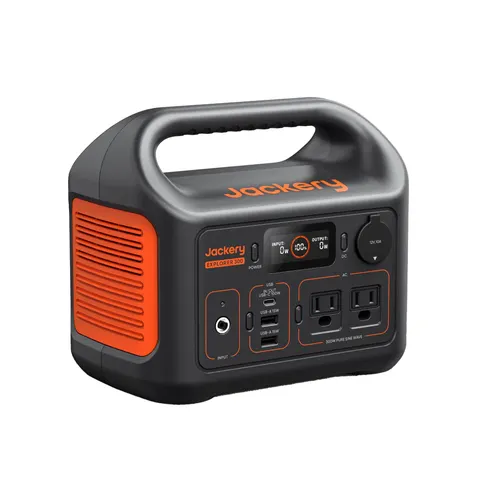
Best small
Jackery Explorer 300
Rule: Most popular model under 500 Wh.
- Capacity
- 292 Wh
- Output
- 300 W
- Weight
- 7.1 lb
- Wh/lb
- 41
Most popular of 72 small models here. 41 Wh/lb against a class median of 35. At full 300 W it lasts about 50 min.
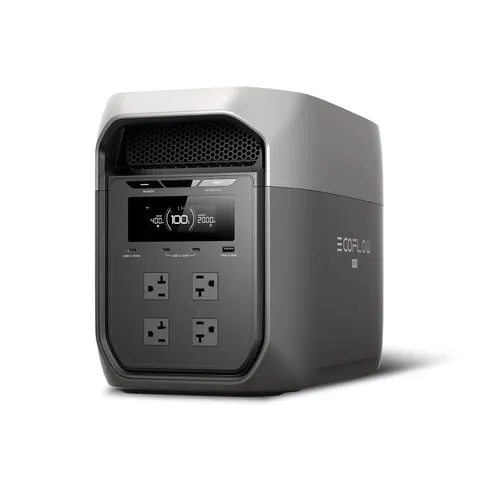
Best large
EcoFlow Delta 3 Max
Rule: Most popular model between 1,500 and 2,999 Wh.
- Capacity
- 2,048 Wh
- Output
- 2,400 W
- Weight
- 44.8 lb
- Wh/lb
- 46
Most popular of 45 large models here. 46 Wh/lb against a class median of 43. At full 2,400 W it lasts about 44 min.
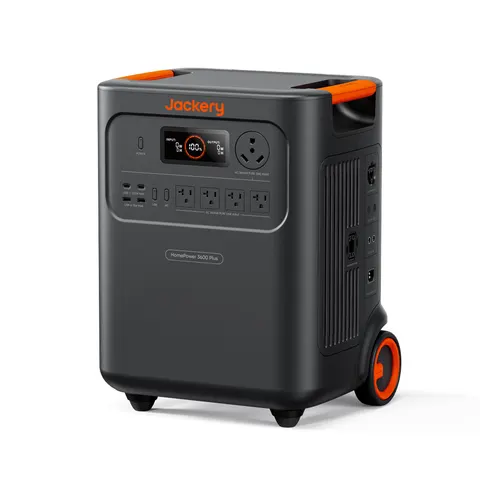
Best for home backup
Jackery Homepower 3600 Plus
Rule: Most popular model with 3,000 Wh or more.
- Capacity
- 3,584 Wh
- Output
- 3,600 W
- Weight
- 77.2 lb
- Wh/lb
- 46
Most popular of 40 home backup models here. 46 Wh/lb against a class median of 43. At full 3,600 W it lasts about 51 min.
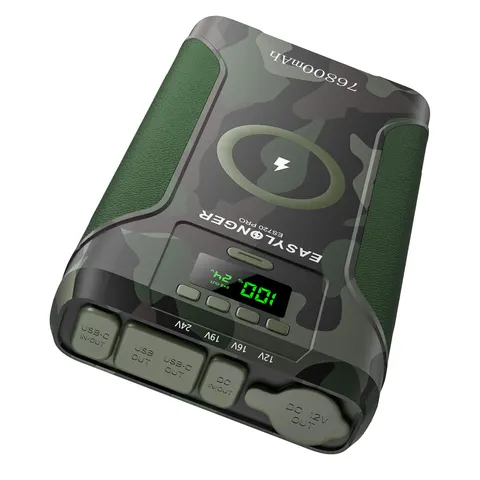
Lightest per Wh
EASYLONGER GP14 G4 PRO
Rule: Highest Wh per pound in this list (ties go to the more popular model).
- Capacity
- 276 Wh
- Output
- 100 W
- Weight
- 3.4 lb
- Wh/lb
- 81
Most popular of 72 small models here. 81 Wh/lb against a class median of 35. At full 100 W it lasts about 2.3 h.
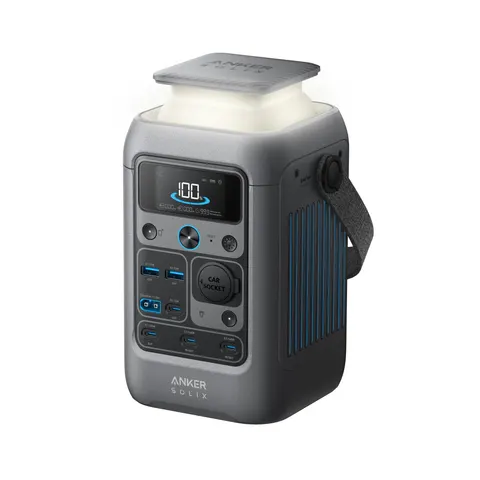
Best LiFePO4 under 1,000 Wh
Anker SOLIX C300 DC
Rule: Most popular LiFePO4 model under 1,000 Wh not already picked above.
- Capacity
- 288 Wh
- Output
- 300 W
- Weight
- 6.2 lb
- Wh/lb
- 46
Most popular of 72 small models here. 46 Wh/lb against a class median of 35. At full 300 W it lasts about 49 min.
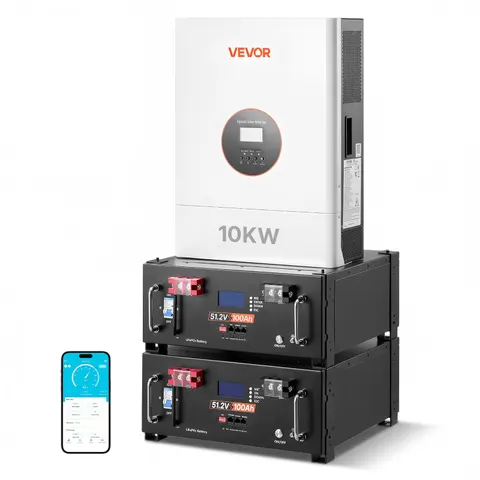
Highest rated output
VEVOR 5120Wh
Rule: Highest continuous AC output in this list (ties go to the more popular model).
- Capacity
- 5,120 Wh
- Output
- 10,000 W
- Weight
- 103.4 lb
- Wh/lb
- 50
Most popular of 40 home backup models here. 50 Wh/lb against a class median of 43. At full 10,000 W it lasts about 26 min.
How to choose a size
Capacity (Wh) decides how long things run; rated output (W) decides what you can plug in at all. A model whose output is below your device's watts won't run it, however big the battery. Our size calculator adds up your devices for you.
Small (under 500 Wh): 72 models
Typical use: phones, laptops, lights, a CPAP for a night or two. Median 268 Wh, 300 W output and 7.7 lb. Five most popular:
| Model | Capacity | Output | Cells | Weight | Wh/lb | Amazon link |
|---|---|---|---|---|---|---|
| Jackery Explorer 300 | 292 Wh | 300 W | LiFePO4 | 7.1 lb | 41 | Check price on Amazon |
| Anker SOLIX C300 DC | 288 Wh | 300 W | LiFePO4 | 6.2 lb | 46 | Check price on Amazon |
| Bluetti Elite 30 V2 | 288 Wh | 600 W | LiFePO4 | 9.5 lb | 30 | Check price on Amazon |
| MARBERO M823SL60 | 237 Wh | 300 W | Li-ion | 9 lb | 26 | Check price on Amazon |
| MARBERO M823 | 237 Wh | 300 W | — | 4.6 lb | 52 | Check price on Amazon |
Mid-size (500–1,499 Wh): 61 models
Typical use: weekend camping, a mini fridge, a work site. Median 1,024 Wh, 1,500 W output and 25.7 lb. Five most popular:
| Model | Capacity | Output | Cells | Weight | Wh/lb | Amazon link |
|---|---|---|---|---|---|---|
| Jackery Explorer 1000 V2 (1,024 Wh) | 1,024 Wh | 1,500 W | LiFePO4 | 23.4 lb | 44 | Check price on Amazon |
| Bluetti AC180 | 1,152 Wh | 1,800 W | LiFePO4 | 37.4 lb | 31 | Check price on Amazon |
| Anker SOLIX C1000 Gen 2 (1,024 Wh) | 1,024 Wh | 2,000 W | LiFePO4 | 24.9 lb | 41 | Check price on Amazon |
| EcoFlow Delta 3 Classic | 1,024 Wh | 1,800 W | LiFePO4 | 26.7 lb | 38 | Check price on Amazon |
| EcoFlow Delta 3 (1,024 Wh) | 1,024 Wh | 1,800 W | LiFePO4 | 27.5 lb | 37 | Check price on Amazon |
Large (1,500–2,999 Wh): 45 models
Typical use: RV trips, a full-size fridge for 16–32 hours, power tools. Median 2,048 Wh, 2,400 W output and 47.1 lb. Five most popular:
| Model | Capacity | Output | Cells | Weight | Wh/lb | Amazon link |
|---|---|---|---|---|---|---|
| EcoFlow Delta 3 Max | 2,048 Wh | 2,400 W | LiFePO4 | 44.8 lb | 46 | Check price on Amazon |
| Anker SOLIX S2000 | 2,010 Wh | 1,500 W | LiFePO4 | 35.7 lb | 56 | Check price on Amazon |
| Jackery Explorer 2000 V2 | 2,042 Wh | 2,200 W | LiFePO4 | 39.5 lb | 52 | Check price on Amazon |
| Anker SOLIX C2000 Gen 2 (2,048 Wh) | 2,048 Wh | 2,400 W | LiFePO4 | 41.6 lb | 49 | Check price on Amazon |
| EBL Acc2400 | 1,843 Wh | 2,400 W | LiFePO4 | 54 lb | 34 | Check price on Amazon |
Home backup (3,000 Wh and up): 40 models
Typical use: outages at home, several appliances, multi-day backup. Median 3,840 Wh, 3,600 W output and 97 lb. Five most popular:
| Model | Capacity | Output | Cells | Weight | Wh/lb | Amazon link |
|---|---|---|---|---|---|---|
| Jackery Homepower 3600 Plus | 3,584 Wh | 3,600 W | LiFePO4 | 77.2 lb | 46 | Check price on Amazon |
| EcoFlow Delta Pro | 3,600 Wh | 3,600 W | LiFePO4 | 99 lb | 36 | Check price on Amazon |
| PECRON F3000 | 3,072 Wh | 3,600 W | LiFePO4 | 63.3 lb | 49 | Check price on Amazon |
| EcoFlow Delta 3 Ultra | 3,072 Wh | 3,600 W | LiFePO4 | 72.1 lb | 43 | Check price on Amazon |
| EcoFlow Delta Pro 3 | 4,096 Wh | 4,000 W | LiFePO4 | 115 lb | 36 | Check price on Amazon |
LiFePO4 or Li-ion?
81% of the power stations in our list state LiFePO4 (lithium iron phosphate) cells. Makers generally rate LiFePO4 packs for more charge cycles than other lithium-ion chemistries. Compare the cycle-life spec and warranty each maker publishes; the chemistry column alone doesn't tell you how long a unit will last.
What the spec sheet doesn't tell you
- Usable energy: we assume 85% of rated Wh reaches the AC outlets. Real inverter efficiency varies with load.
- Surge: motors (fridges, pumps, power tools) briefly draw more than their running watts. Check the surge figure when the maker lists one.
- Charging speed and solar input: many listings we read don't state them, so we don't rank on them.