The spec bench for portable power
Portable power stations, compared by the numbers
We line up the published specs of 506 models from 116 brands, then do the math: Wh per pound, runtimes for real devices, and what fits your load.
- Models
- 506
- Brands
- 116
- Specs checked
- November 12, 2026
As an Amazon Associate we earn from qualifying purchases. How we make money
What size do I need?
Enter one device. We divide by 85% for inverter losses.
Estimated capacity needed
565 Wh
60 W × 8 h ÷ 0.85. Rated output must be at least 60 W.
Most popular models that cover it:
- Jackery Explorer 1000 V2 (1,024 Wh)1,024 Wh
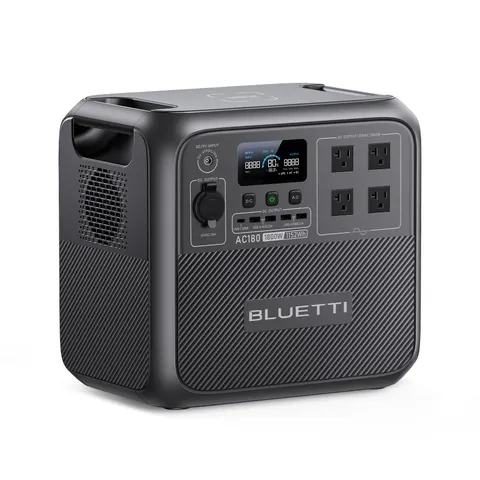
- Bluetti AC1801,152 Wh
- Anker SOLIX C1000 Gen 2 (1,024 Wh)1,024 Wh
Most popular in each size class
Ordered by popularity on Amazon US. Size classes are by battery capacity, the number that decides how long things run.
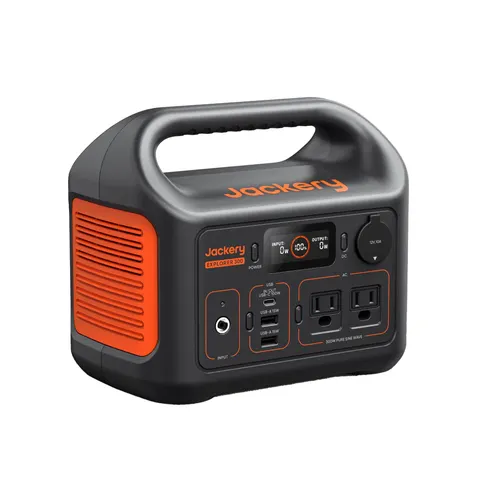
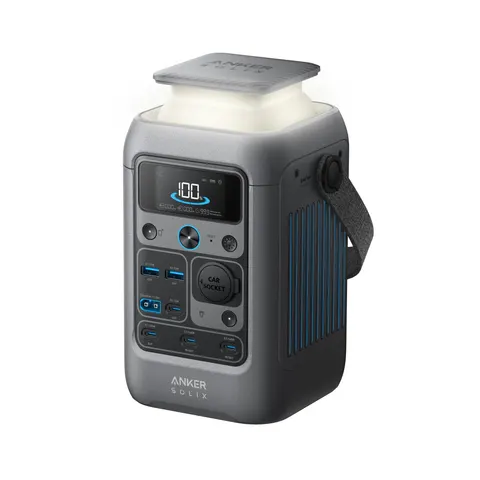
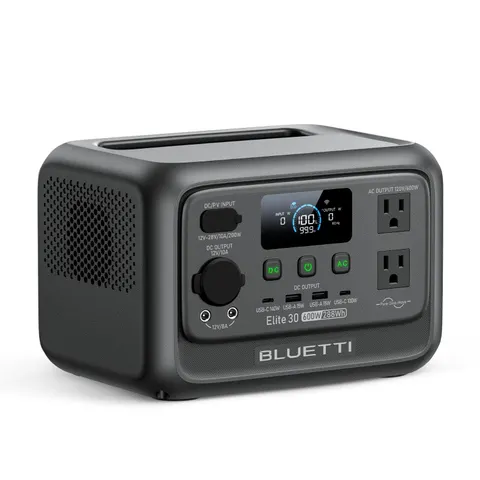
Mid-size 500–1,499 Wh
All mid-size modelsTypical use: weekend camping, a mini fridge, a work site.
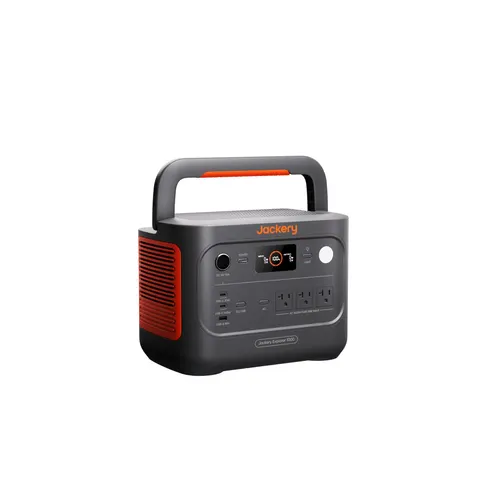
- Output
- 1,500 W
- Weight
- 23.4 lb
- Wh/lb
- 44
- Cells
- LiFePO4
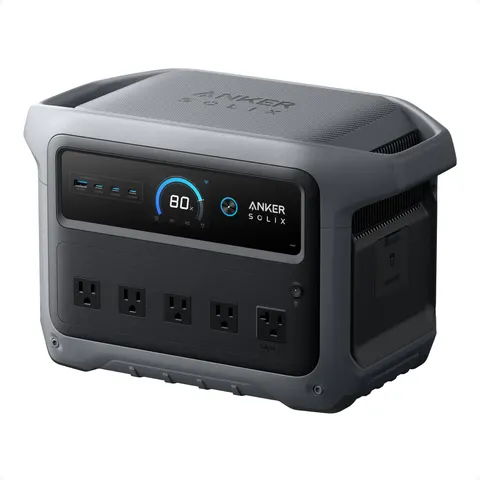
- Output
- 2,000 W
- Weight
- 24.9 lb
- Wh/lb
- 41
- Cells
- LiFePO4
Large 1,500–2,999 Wh
All large modelsTypical use: RV trips, a full-size fridge for 16–32 hours, power tools.
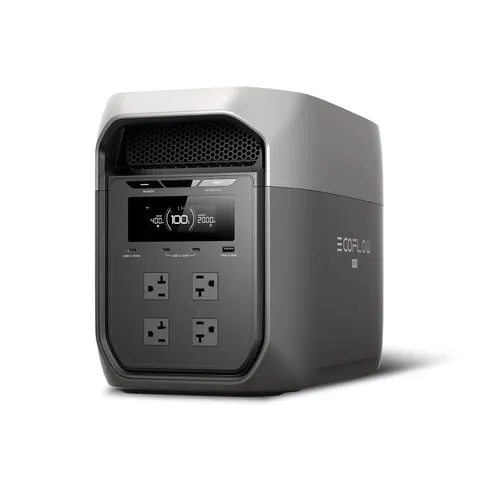
- Output
- 2,400 W
- Weight
- 44.8 lb
- Wh/lb
- 46
- Cells
- LiFePO4
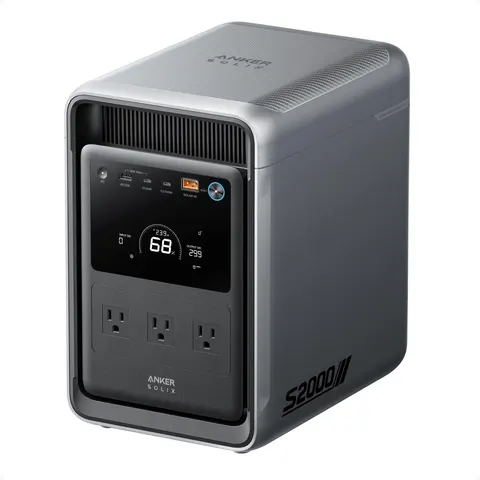
- Output
- 1,500 W
- Weight
- 35.7 lb
- Wh/lb
- 56
- Cells
- LiFePO4
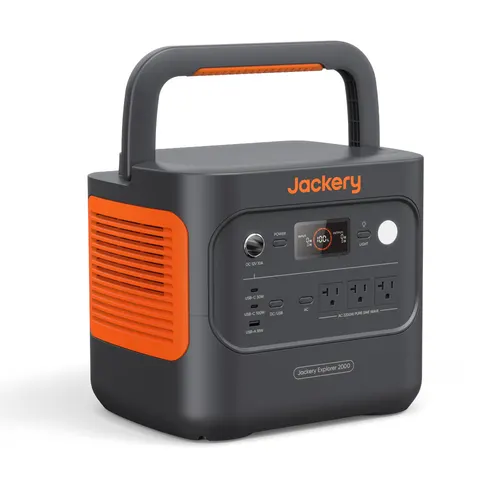
- Output
- 2,200 W
- Weight
- 39.5 lb
- Wh/lb
- 52
- Cells
- LiFePO4
Home backup 3,000 Wh and up
All home backup modelsTypical use: outages at home, several appliances, multi-day backup.
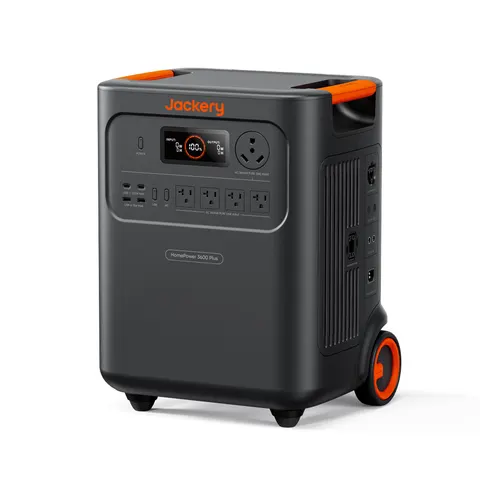
- Output
- 3,600 W
- Weight
- 77.2 lb
- Wh/lb
- 46
- Cells
- LiFePO4
How the spec bench works
Published specs only
Capacity, rated output, surge, chemistry and weight as the maker lists them. No guesses filled in: a missing number shows as a dash.
We do the math
Wh per pound, runtime for common devices at 85% inverter efficiency, and which models clear your load. Every number is computed from the spec sheet.
No hands-on claims
We have not tested these units. Picks follow a stated rule (popularity on Amazon US inside a size class), and superlatives only when the number proves them.
Solar generator kits
All kitsA power station bundled with a solar panel. Most popular first.
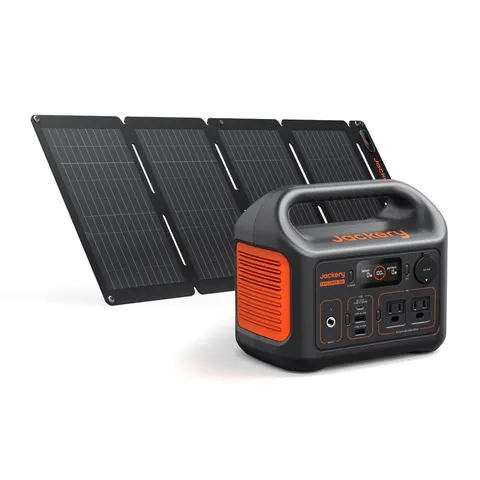
- Output
- 300 W
- Weight
- 12.9 lb
- Wh/lb
- 23
- Cells
- LiFePO4
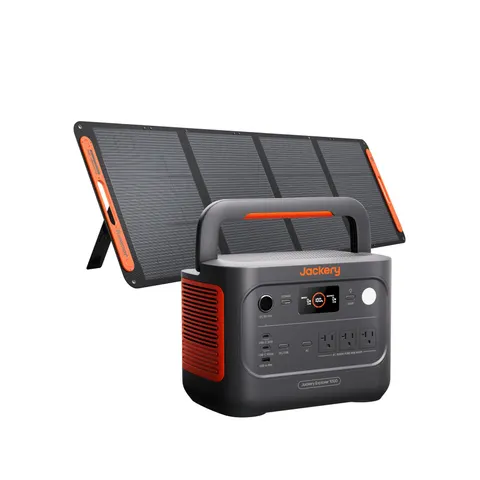
- Output
- 1,500 W
- Weight
- 23.4 lb
- Wh/lb
- 44
- Cells
- LiFePO4
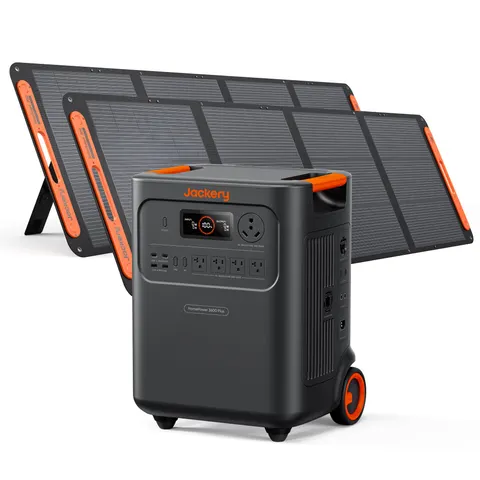
- Output
- 3,600 W
- Weight
- 77.2 lb
- Wh/lb
- 46
- Cells
- LiFePO4
Guides
- Best portable power stationOne pick per size class, chosen by popularity and backed by the spec math.
- Portable power station for camping: the best by weightWeight matters when you carry it: we sort the camping range by Wh per pound.
- Jackery vs Anker SOLIXModel-by-model numbers for both brands, size class by size class.
- Bluetti vs JackeryModel-by-model numbers for both brands, size class by size class.
- EcoFlow vs JackeryModel-by-model numbers for both brands, size class by size class.
- Bluetti vs EcoFlowModel-by-model numbers for both brands, size class by size class.
- EcoFlow vs Anker SOLIXModel-by-model numbers for both brands, size class by size class.
- Bluetti vs Anker SOLIXModel-by-model numbers for both brands, size class by size class.
- Generator for an apartmentThe only "generator" you can run indoors, sized for apartment outages and stairs.
- Solar generator for an RVRuntime for RV loads, the models with a TT-30 outlet, and solar refill times.
- Expansion batteries: which one fits your power stationCompatibility table of 17 extra batteries, from the listings themselves.
- LiFePO4 power stationsWhich models use LiFePO4 cells, and the cycle ratings their listings state.
- How many watts does a refrigerator use?From the kWh on your fridge's yellow label to hours on a battery.
- Best solar generatorKits with a panel, one pick per size plus the fastest solar refill.
- Best portable solar panelsWhich wattage to pair with your station, what each size weighs, and the picks.
- Battery backup for home: portable power stations and solar generatorsOutage math for a home: essentials per day, 240 V, UPS and expansion.
- What is a portable power station?The basics, the specs that matter, and where to go next.
- How many watts does it use? Appliance wattage chartWatts of a TV, microwave, space heater, coffee maker and more, with battery runtimes.
- What size portable power station do I need?A device-by-device calculator with the models that fit your load.
- Portable power station for CPAPEnter your CPAP's watts and see nights of runtime per model.
- Power station vs generatorWhere a battery station wins, where a gas generator still does.